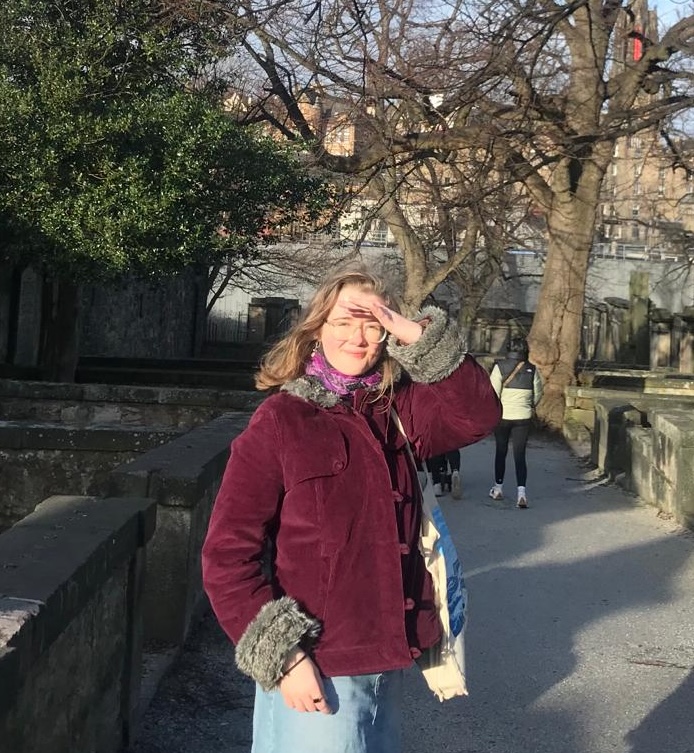
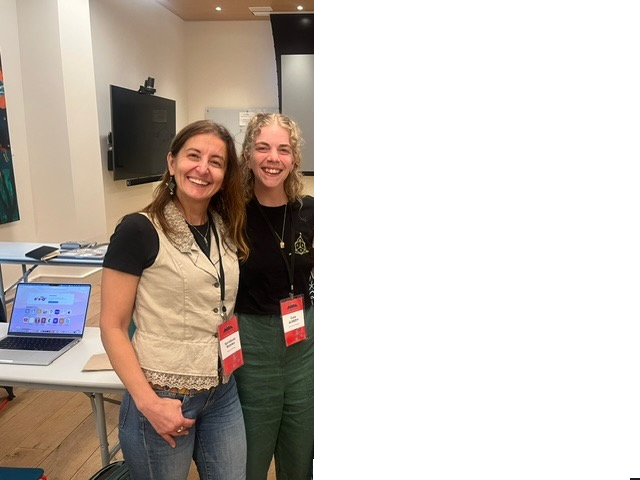
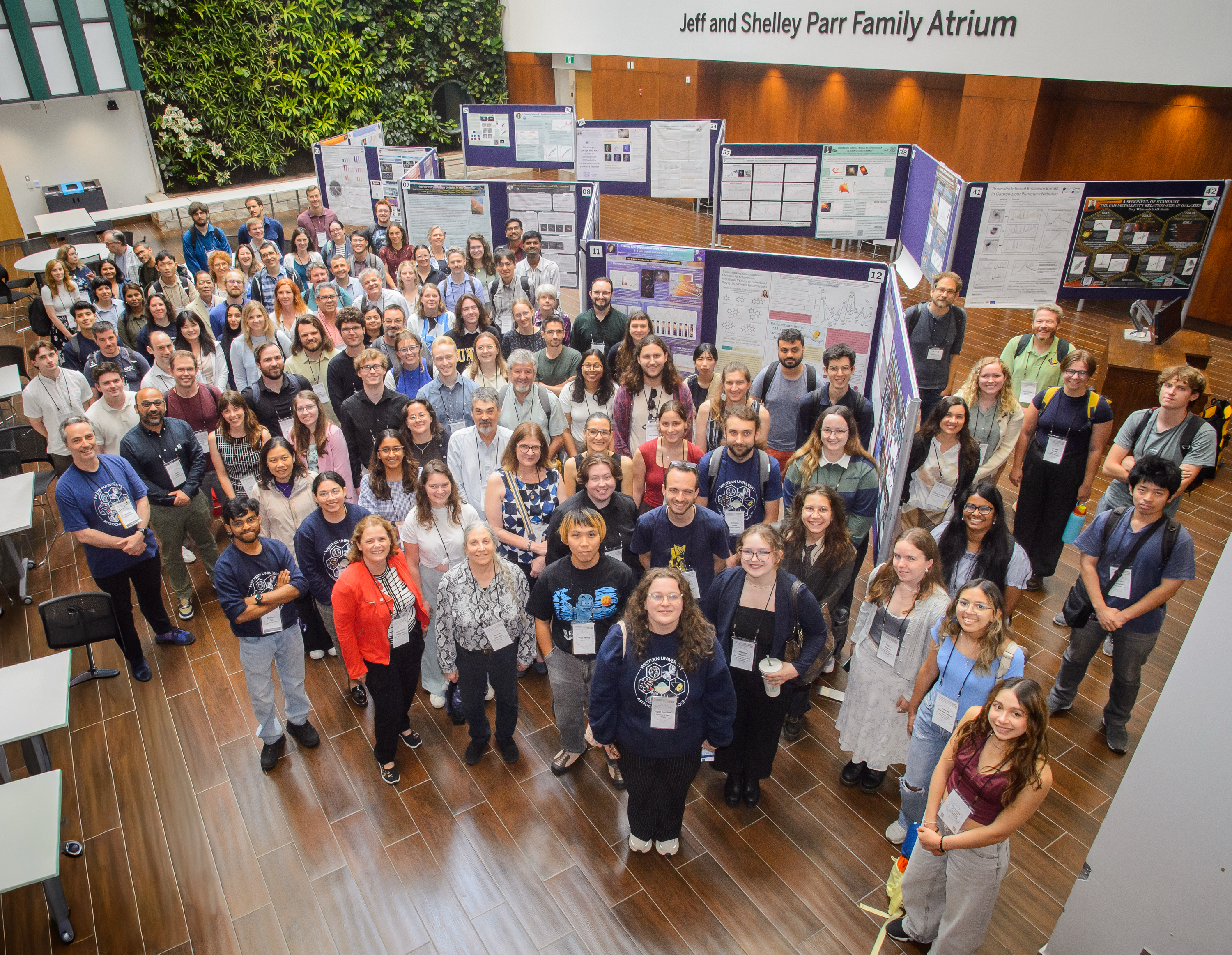
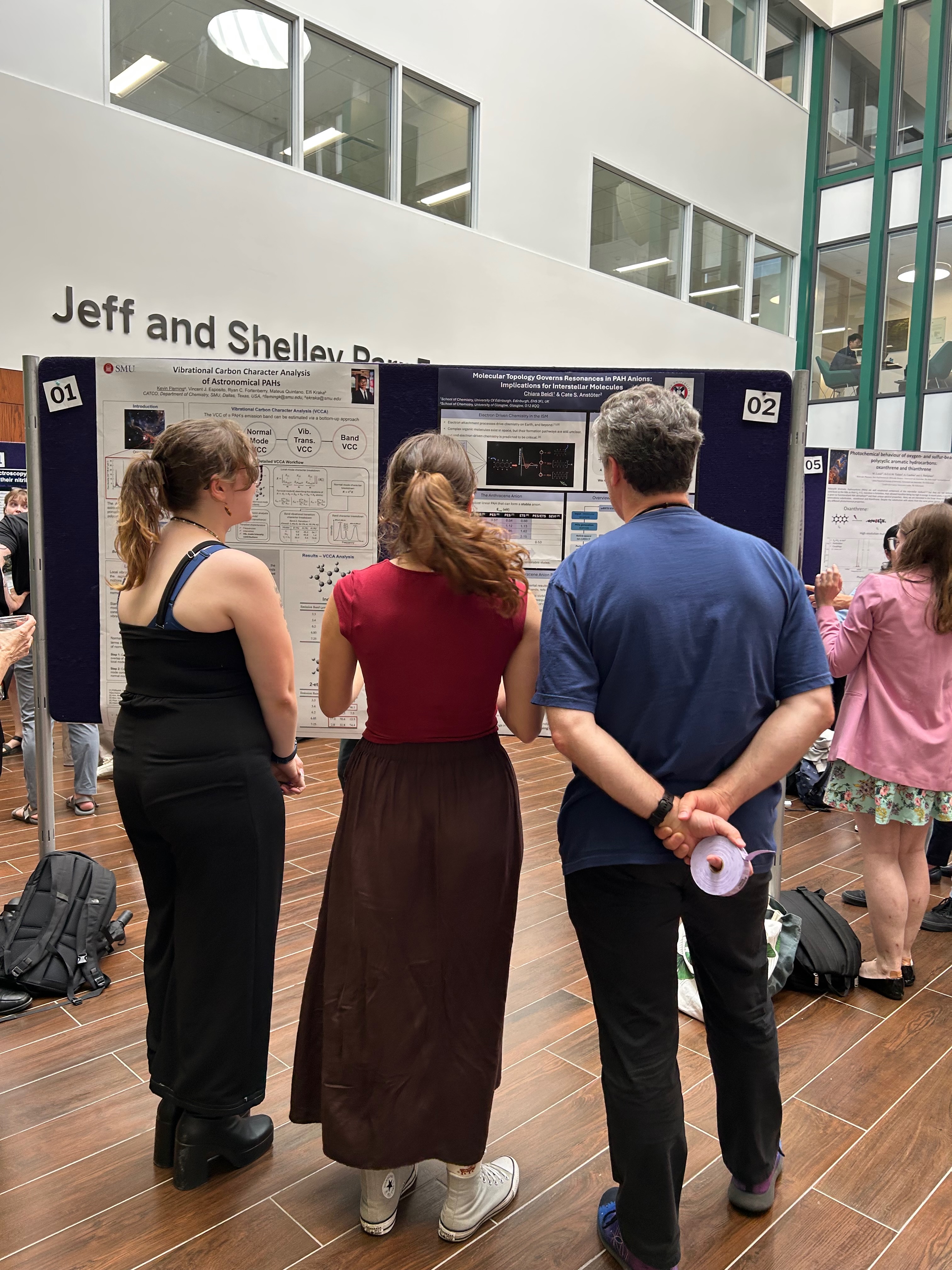
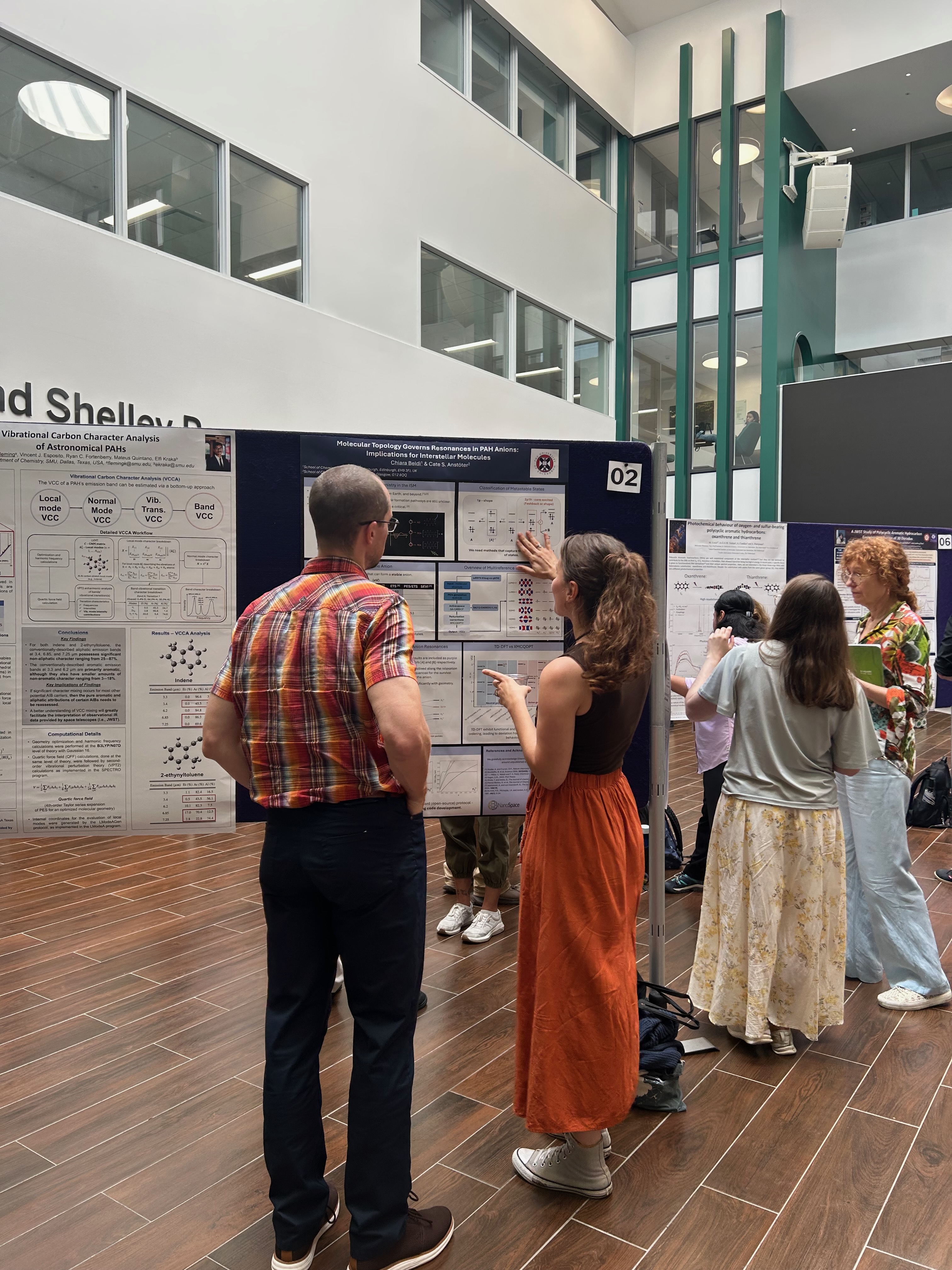
Cate is (currently) a theoretical and computational chemist with a PhD in experimental physical chemistry (Durham University, 2019).
She is a lecturer in physical chemistry at the University of Glasgow, having previously held a Christina Miller Research Fellowship at the School of Chemistry, University of Edinburgh.
Her research combines ab initio electronic structure methods and semi-empirical models to calculate and rationalise the structure-property-charge relationship of organic molecules and understand photon and electron driven chemical physics.
Her expertise ranges from frequency-, time- and angle-photoelectron imaging of anions, to developing theoretical/computational protocols to interpret experimental signatures of molecular anions,
to modelling the aromaticity of charged heterocycles.
Her work combining theory and experiment has significantly advanced understanding of the excited (metastable) states of molecular anions. She developed and benchmarked protocols to extract structural information from the
photoelectron angular distributions of anions.
More recently, CSA's research has expanded to developing ab initio methods to calculate and rationalise ring-currents of complex organic compounds.
Combining her knowledge of molecular anions with fundamental physical organic theory, she has developed protocols for calculating the aromatic signatures of redox-active aromatic switches.
About:
2025-present: Lecturer, (University of Glasgow)
2023-2025: Christina Miller Fellow, (University of Edinburgh)
2022-2023: Senior PDRA, Dessent group (University of York)
2020-2021: Postdoctoral Fellow, Matsika group (Temple University)
2018: Invited Researcher, Bochenkova group (Moscow State University)
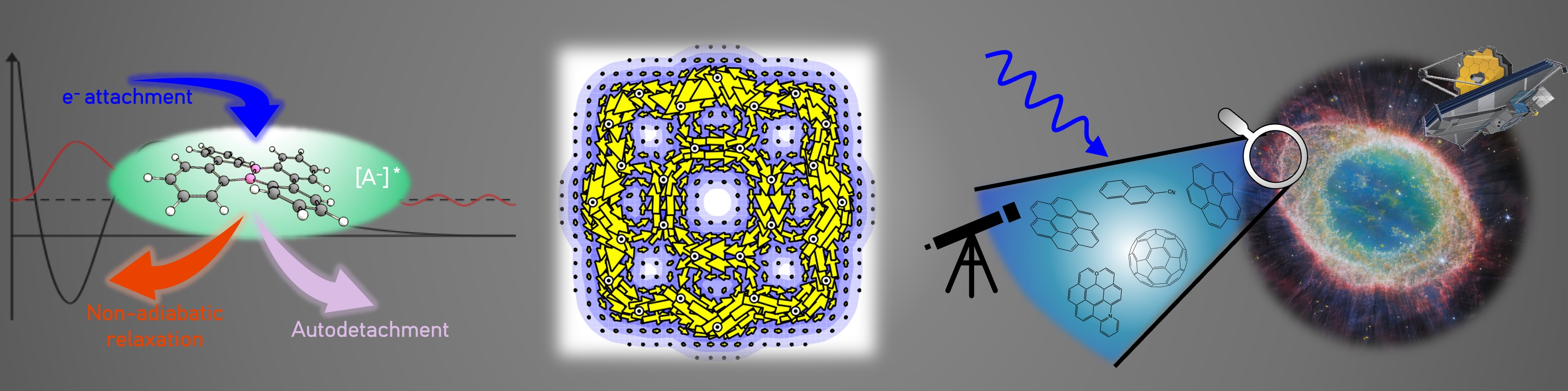
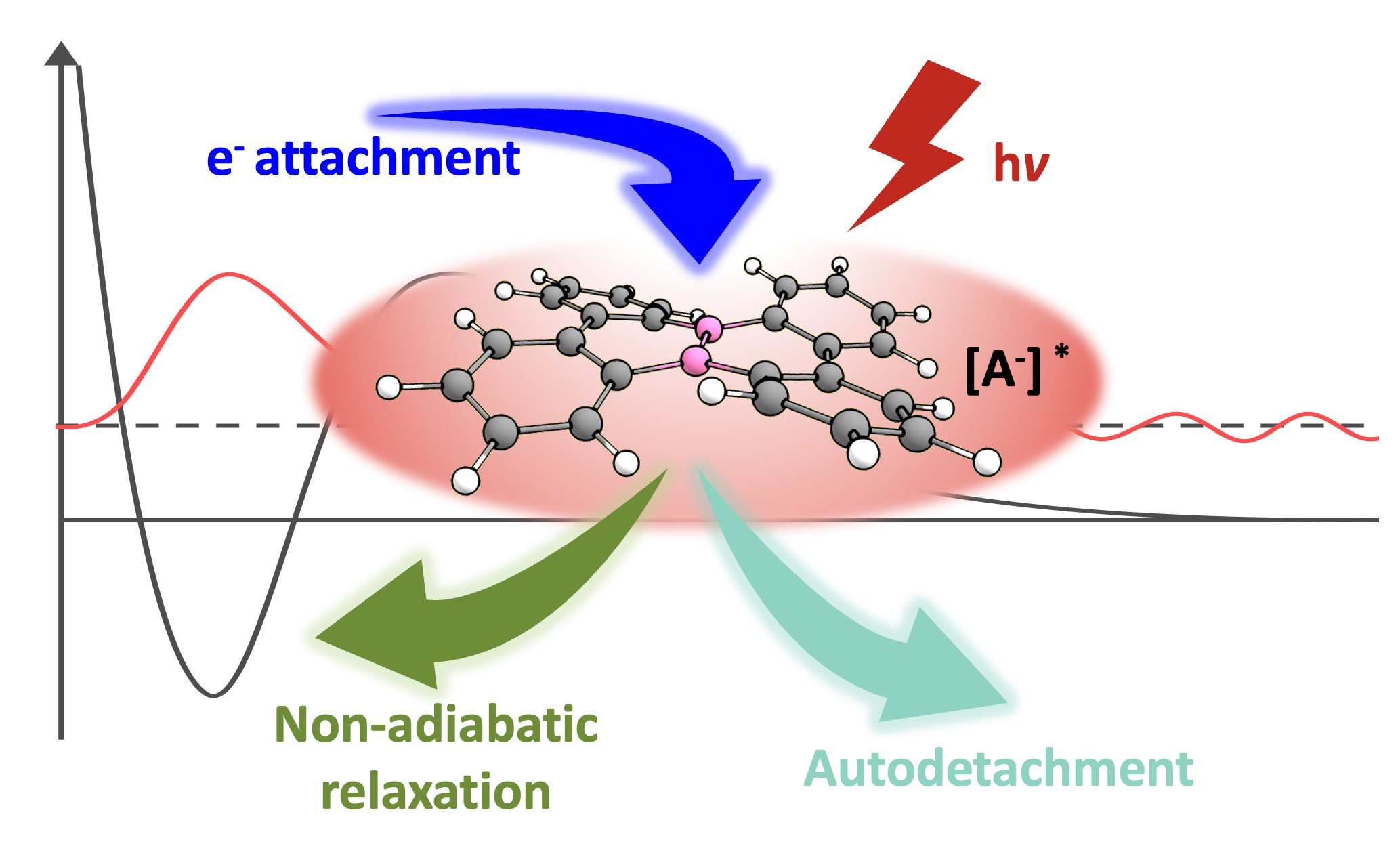
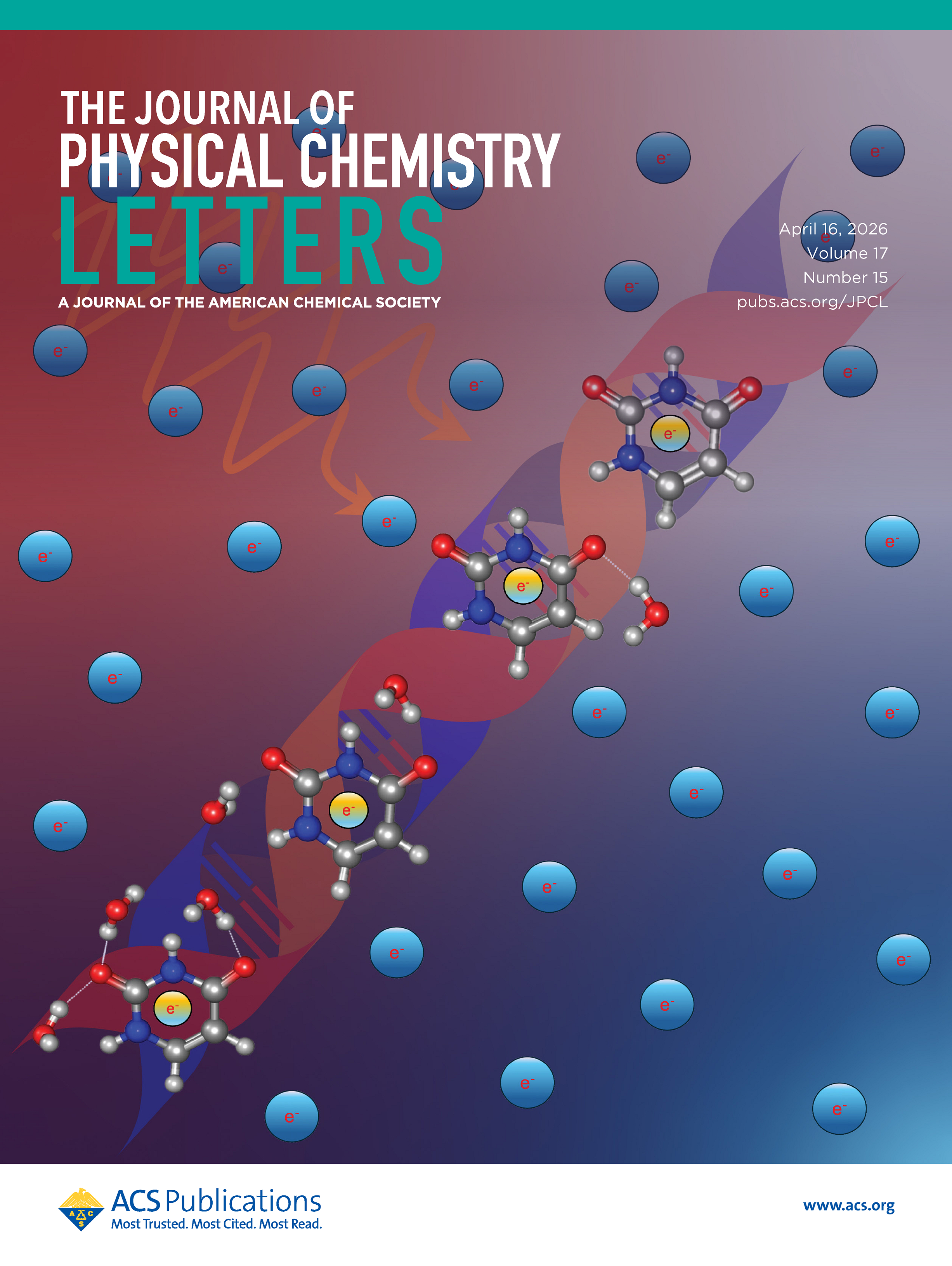
Electron-driven processes are ubiquitous in chemistry and biology. When an electron attaches
to a neutral molecule, it forms a negatively charged species — an anion — that is
typically destabilised. Many such states are metastable resonances, existing
in a precarious balance: coupled to the neutral molecule and a free electron, they are
susceptible to spontaneously ejecting that electron in a process called autodetachment. Yet
despite this instability, metastable anion resonances are known to drive a remarkable range
of chemical reactions. Understanding, and ultimately controlling, the interplay between
autodetachment and productive electron-driven reactivity remains one of the central open
challenges in physical chemistry.
Our group develops and extends electronic structure methods capable of modelling the
energetics and lifetimes of these elusive species, with a particular focus on
non-Hermitian quantum chemical approaches uniquely suited to the
complex-valued energetics of resonance states. These methods were recently applied to model
the autodetachment lifetimes of the open-shell tetracene anion, in collaboration with the
Garand group. A key goal of our ongoing
programme is to extend these treatments beyond simple one-particle (shape) resonances to
two-particle-one-hole and other correlated resonance states, and to apply them to larger
molecular systems of chemical and biological relevance. A further dimension of our work
concerns how the environment modulates these processes: in collaboration
with the Matsika group, we have recently shown
that microsolvation can fundamentally alter the character of a resonance — shifting it from
a short-lived shape resonance to a longer-lived Feshbach state — with direct consequences
for the competition between autodetachment, bond cleavage, and energy redistribution into
the solvent.
Autoionization from the Plasmon Resonance in Isolated 1-Cyanonaphthalene
James N. Bull, Paola Bolognesi, Cate S. Anstöter, Eleanor K. Ashworth, José E. Navarro Navarrete, Boxing Zhu, Robert Richter, Nitish Pal, Jacopo Chiarinelli, Lorenzo Avaldi, Henning Zettergren & Mark H. Stockett 2023, J. Chem. Phys., 158, 241101
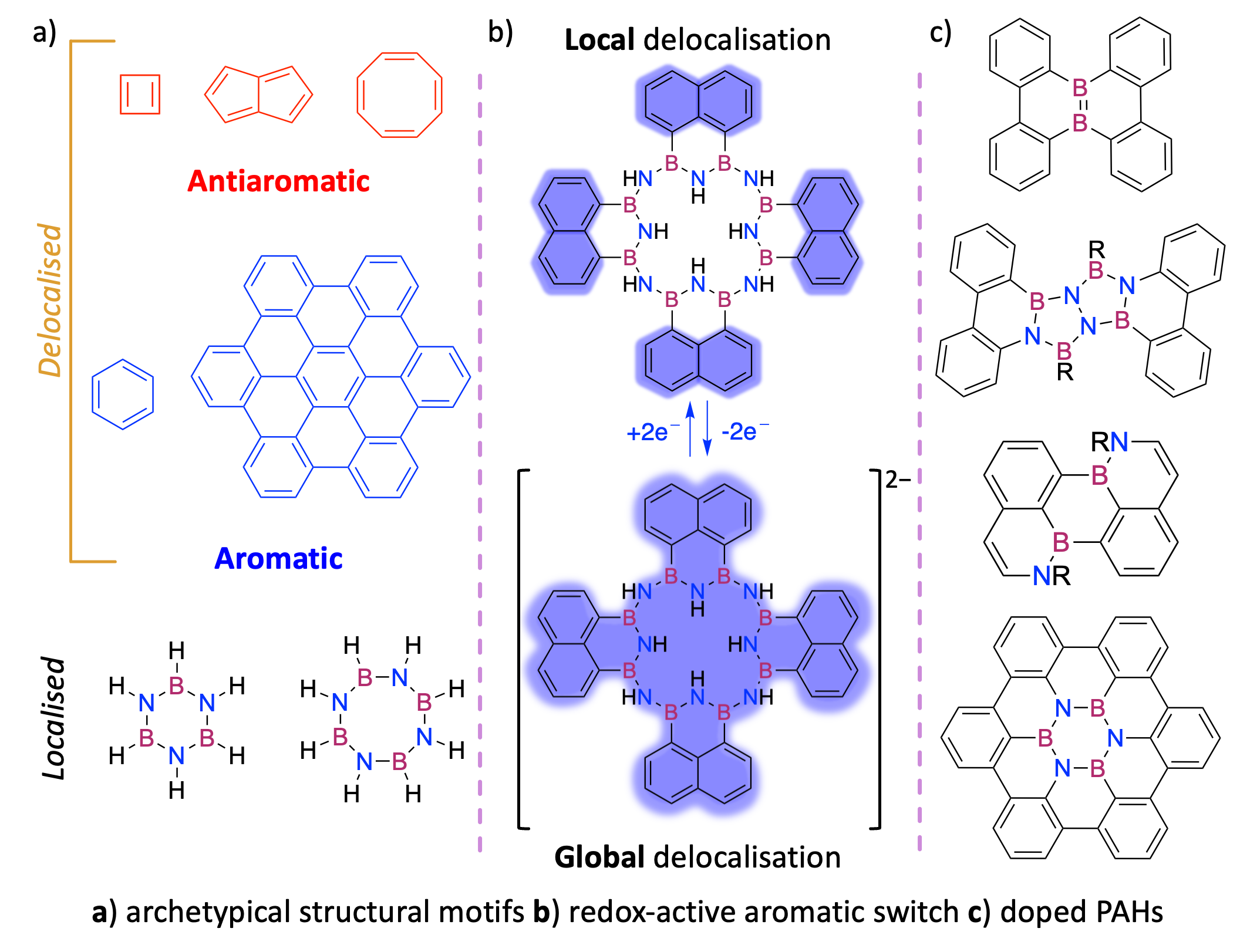
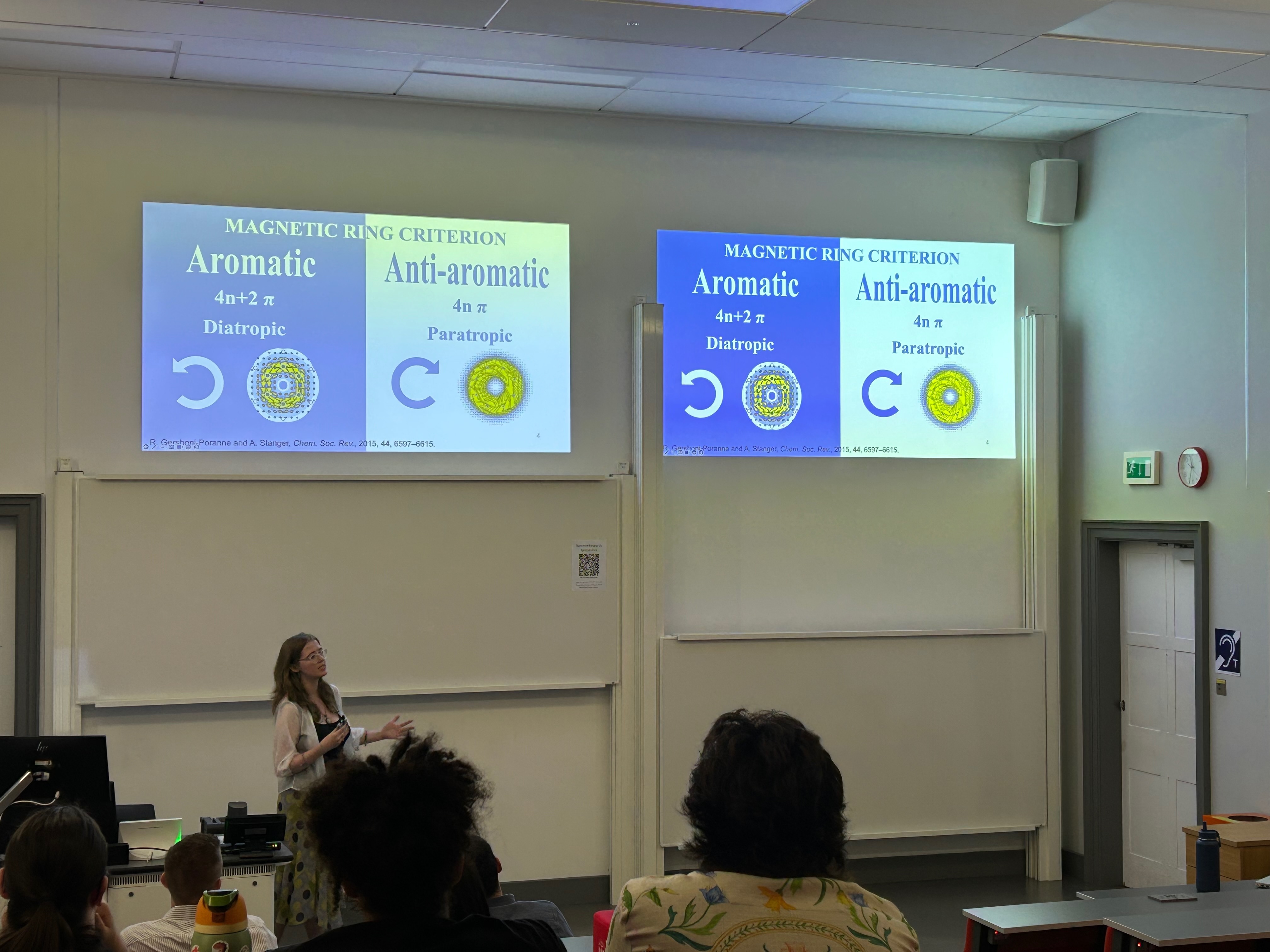
Aromaticity is one of the most powerful organising concepts in chemistry, yet its definition
remains stubbornly elusive. The magnetic criterion, based on the ring
current induced when a conjugated molecule is placed in an external magnetic field, is
widely regarded as the most rigorous theoretical diagnostic. Aromatic systems (those with
4n+2 π electrons) sustain a diatropic ring current; antiaromatic systems
(4n π electrons) sustain a paratropic one.
Our group uses the ipsocentric approach to calculate and visualise these
induced current densities, a method unique in revealing not just the existence of a ring
current, but its physical origin. Through a set of symmetry-based selection rules, the
ipsocentric framework identifies precisely which molecular orbitals are responsible for
aromatic or antiaromatic behaviour, providing a direct and interpretable window into
electronic delocalisation.
In practice, we work closely with synthetic chemistry groups to characterise experimentally
realised systems. We collaborated with the
Wagner group
(Goethe Universität, Frankfurt) on BN- and BO-doped [16]annulenes, macrocyclic
redox-active aromatic switches that transition from non-aromatic to globally
aromatic on two-electron reduction, providing the complete ipsocentric analysis of their
neutral and dianionic states. More recently, collaboration with the
Ingleson group
(University of Edinburgh) on a novel base-free two-coordinate oxoborane, recognised as a
Very Important Paper in Angewandte Chemie, demonstrated the power of the
ipsocentric approach for characterising aromaticity in highly unusual and reactive main-group
heterocycles. These collaborations reflect a broader interest in understanding how heteroatom
substitution, molecular topology, and redox state collectively govern aromatic character in
synthetically realised systems.
A Base-Free Two-Coordinate Oxoborane
Clement R. P. Millet, Dominic R. Willcox, Gary S. Nichol, Cate S. Anstöter & Michael J. Ingleson 2024, Angewandte Chemie, 64, e202419094
VIP
Chiara Beldì PhD student (2024-2027)
Bio: Chiara completed her master's degree in Physics and Astronomy at the University of Glasgow. In her master's project,
she studied the chemistry of hydrocarbons in interstellar space using a chemical kinetics simulation. Following this experience,
she developed an interest in computational astrochemistry and joined the group as a PhD student in 2024. Chiara is co-supervised by Dr. Ewen K. Campbell.
Her research centres on the computational modelling of astrochemically-relevant molecules and their interactions with electrons, with a particular focus on molecular anions.
Lauren Scovel MSci student (2026-2027)
Bio: Lauren Scovel is a current MSci Chemistry with Work Placement student, completing her MSci thesis project in the Anstöter group.
Her project is focused on gas phase anion calculations of astrophysically relevant molecules.
She previously completed an 11 month work placement at NASA Ames Research Center in the Astrophysics and Astrochemistry group, under the mentorship of Dr. Ella Sciamma-O’Brien.
Her work there focused on investigating ion-neutral chemistry using the COSmIC Facility and gas phase high resolution absorption spectra of substituted PAHs.
Outside of her academic interests, Lauren can be found attempting new recipes, doing pilates, or cross stitching.
Alumni
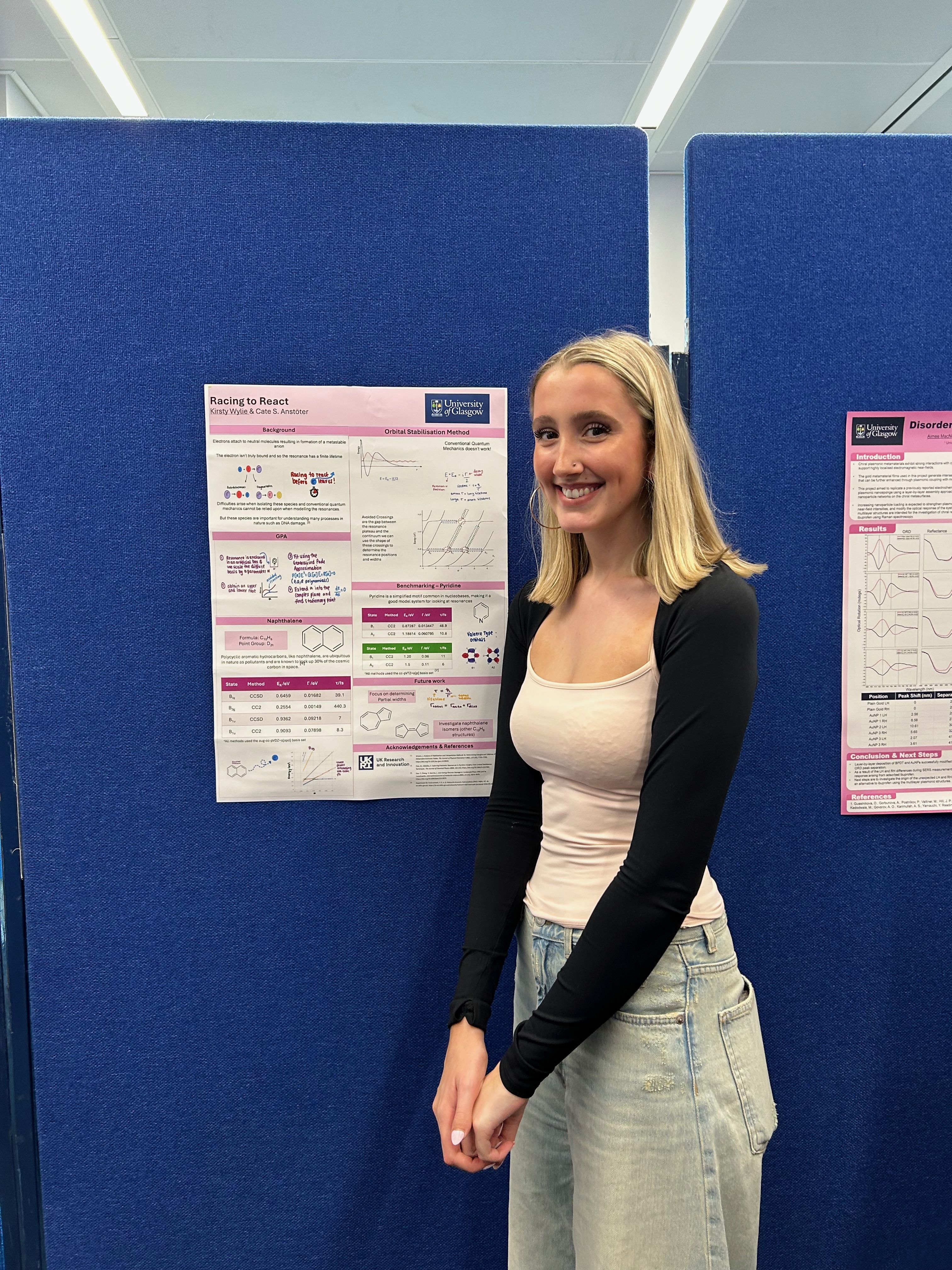
Kirsty Wylie EPSRC Summer Intern (Summer 2026)
Bio: Kirsty began studying Chemistry and Maths at the University of Glasgow in 2023, with a particular interest in physical and computational chemistry.
During her EPSRC-funded summer internship she investigated metastable anions, and presented her work at the EPSRC Vacation Intern Event.
Eva Henderson SoC Funded Intern (Summer 2026)
Bio: Eva began her Medicinal Chemistry degree at the University of Glasgow in 2023.
After completing her third year, she undertook a School of Chemistry funded internship with Cate, developing and improving computational chemistry resources for students at the University of Glasgow.
Ashutosh Jadhav MRes student (2024-2025)
Bio: Ashutosh received a Master's degree in Analytical Chemistry, complemented by a Postgraduate Diploma in Regulatory Affairs, from the University of Mumbai, India.
He was co-supervised by Prof. Anita Jones, and his research project explored an innovative fluorescent nucleobase analogue, ABN.
The project used computational chemistry to understand the excited states of ABN, specifically its fluorescence properties and solvent-assisted excited state proton transfer.
Annie Hunter Carnegie Trust Intern (Summer 2025)
Bio: Originally from Spain, Annie began her MChem degree at the University of Edinburgh in 2022.
With a particular interest in molecular orbital theory, she completed a Carnegie Trust funded summer internship with Cate in 2025,
investigating the (anti)aromaticity of PAHs containing heavier atoms.
Project Students
Yi Xu (2025, UoE)
Pallavi Kajrekar (2024, UoE)
Ruiqi Jiao (2024, UoE)
Collaboration Network
Nodes represent principal investigators; edge width reflects the number of shared
publications. Drag nodes to rearrange, scroll to zoom.
SelfGas-phase experimentTheory / computationSynthesisIR spectroscopyGraph theory
A Base-Free Two-Coordinate Oxoborane
Clement R. P. Millet, Dominic R. Willcox, Gary S. Nichol, Cate S. Anstöter & Michael J. Ingleson 2024, Angewandte Chemie, 64, e202419094
Autoionization from the Plasmon Resonance in Isolated 1-Cyanonaphthalene
James N. Bull, Paola Bolognesi, Cate S. Anstöter, Eleanor K. Ashworth, José E. Navarro Navarrete, Boxing Zhu, Robert Richter, Nitish Pal, Jacopo Chiarinelli, Lorenzo Avaldi, Henning Zettergren & Mark H. Stockett 2023, J. Chem. Phys., 158, 241101
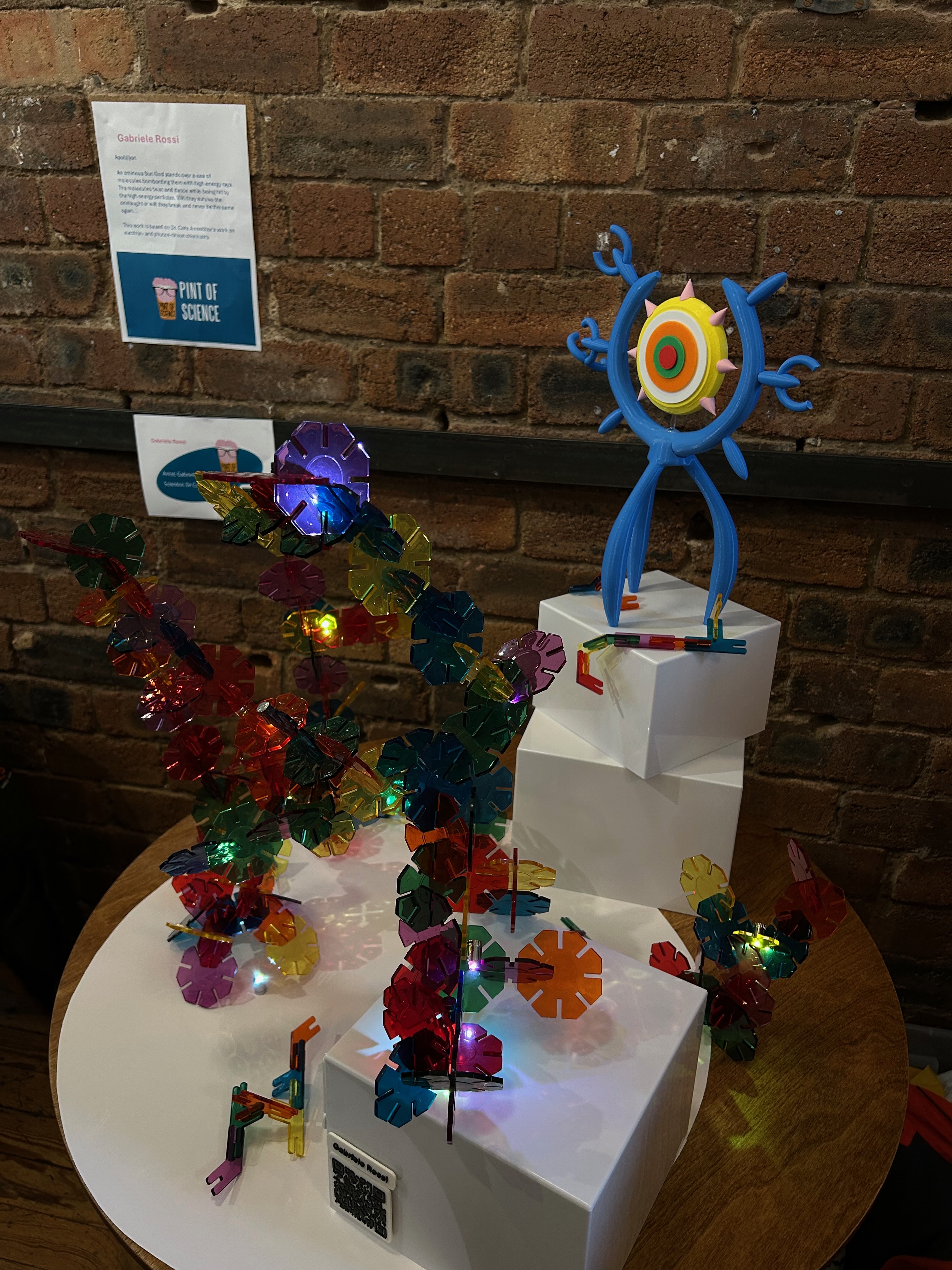
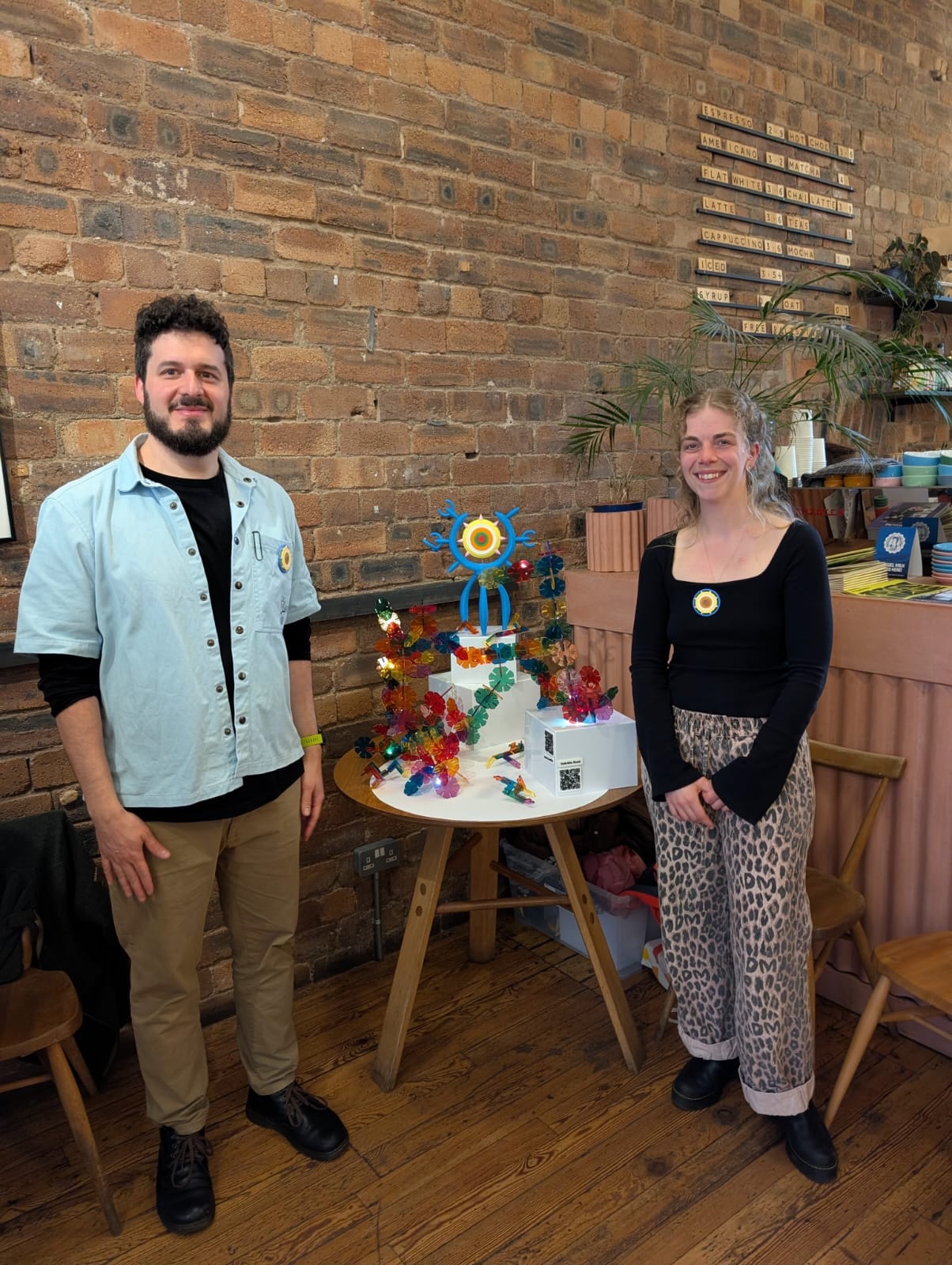
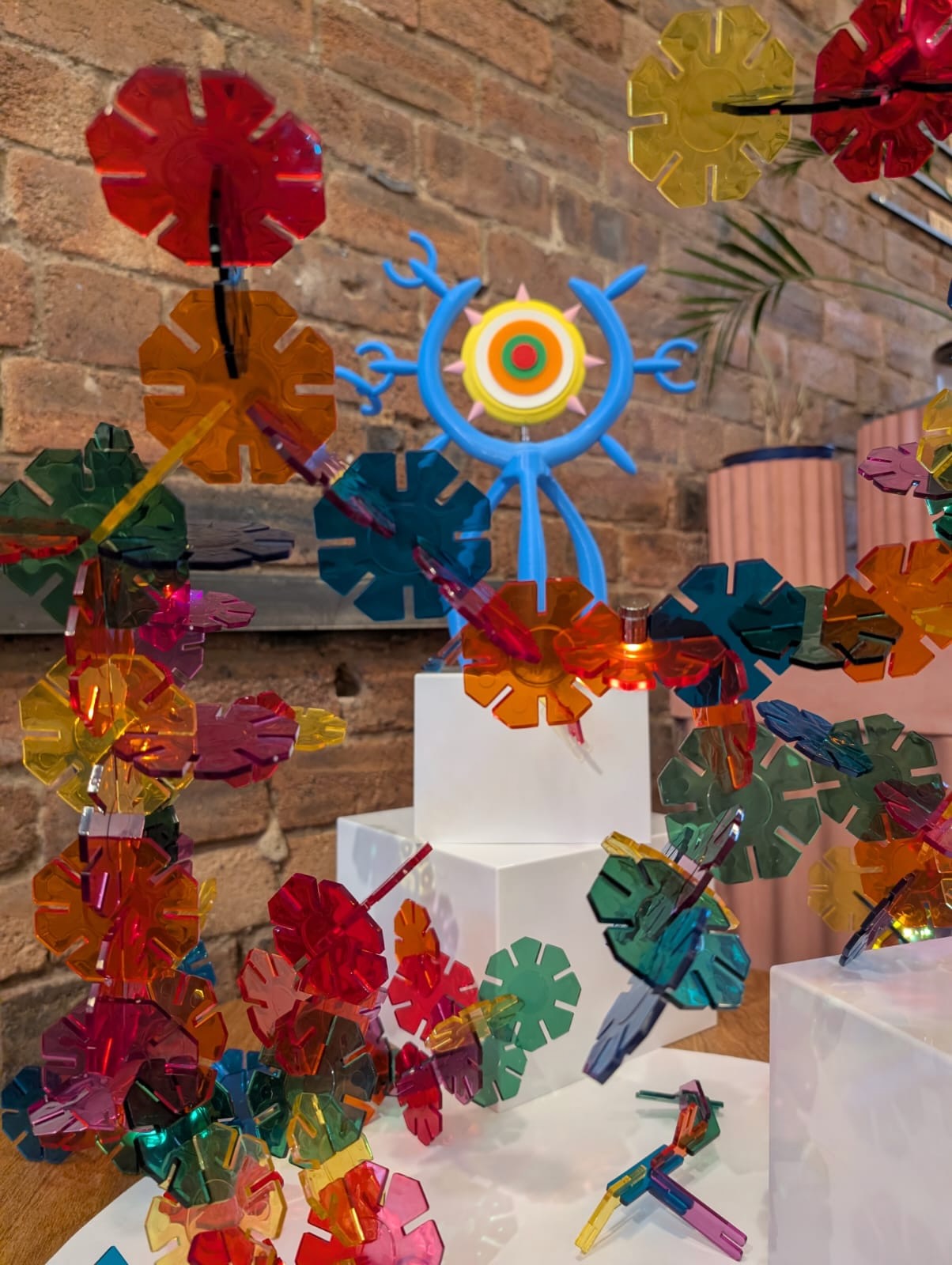
Cate took part in Pint of Science's Creative Reactions festival, which pairs scientists with local artists. Cate was paired with Glasgow-based artist Gabriele Rossi, who was inspired to build a sculpture:
"An ominous sun god stands over a sea of molecules, bombarding them with high energy rays. The molecules twist and dance while being hit by high energy particles. Will they survive the onslaught or will they break and never be the same again..."
Beginning of Cate's Christina Miller Fellowship at the University of Edinburgh.
Vacancies
We're always happy to hear from people interested in electron-driven chemistry,
metastable anions and aromaticity. Current opportunities are listed below, and
informal enquiries are welcome at any time.
PhD Studentship: Electrons on Borrowed Time
Transient Anions and Electron-Driven Chemistry in Space
Fully fundedStart: September 2027Applications open
Almost everything in chemistry comes down to electrons: where they go, and how long
they stay. When a molecule captures a free electron, it often holds it only fleetingly,
in a transient anion, before the electron escapes or leaves the molecule
changed. These short-lived states sit outside the framework that standard quantum
chemistry was built for, yet they play a central role in electron-driven chemistry,
from radiation damage to the interstellar medium.
In this project you'll use stabilisation approaches to calculate the energies and
lifetimes of transient anions, test how reliable these methods are for polyatomic
molecules, and uncover how shape, symmetry and heteroatoms decide where the extra
electron sits and how it escapes. You'll build on the group's established
collaborations with experimentalists who measure anion spectra and electron
attachment, comparing your predictions directly with measurement.
Who we're looking for
A degree (or expected degree, 2:1 or above) in chemistry, physics or a related
discipline, ideally with an enjoyment of physical or theoretical chemistry.
Comfort with mathematics and some coding experience (e.g. Python) is an advantage,
but enthusiasm to learn matters more.
How to apply
Get in touch with Cate at
cate.anstoter[at]glasgow.ac.uk
with a CV, a short motivation letter and your academic transcripts. Informal
enquiries are very welcome.
Other opportunities
Summer internships: undergraduates interested in a summer research project are
encouraged to get in touch early, ideally ahead of the deadlines for funded schemes such
as EPSRC Vacation Internships and Carnegie Trust Vacation Scholarships.
Postdoctoral fellowships: we're happy to support fellowship applications from
researchers who would like to join the group. Please get in touch to discuss ideas.